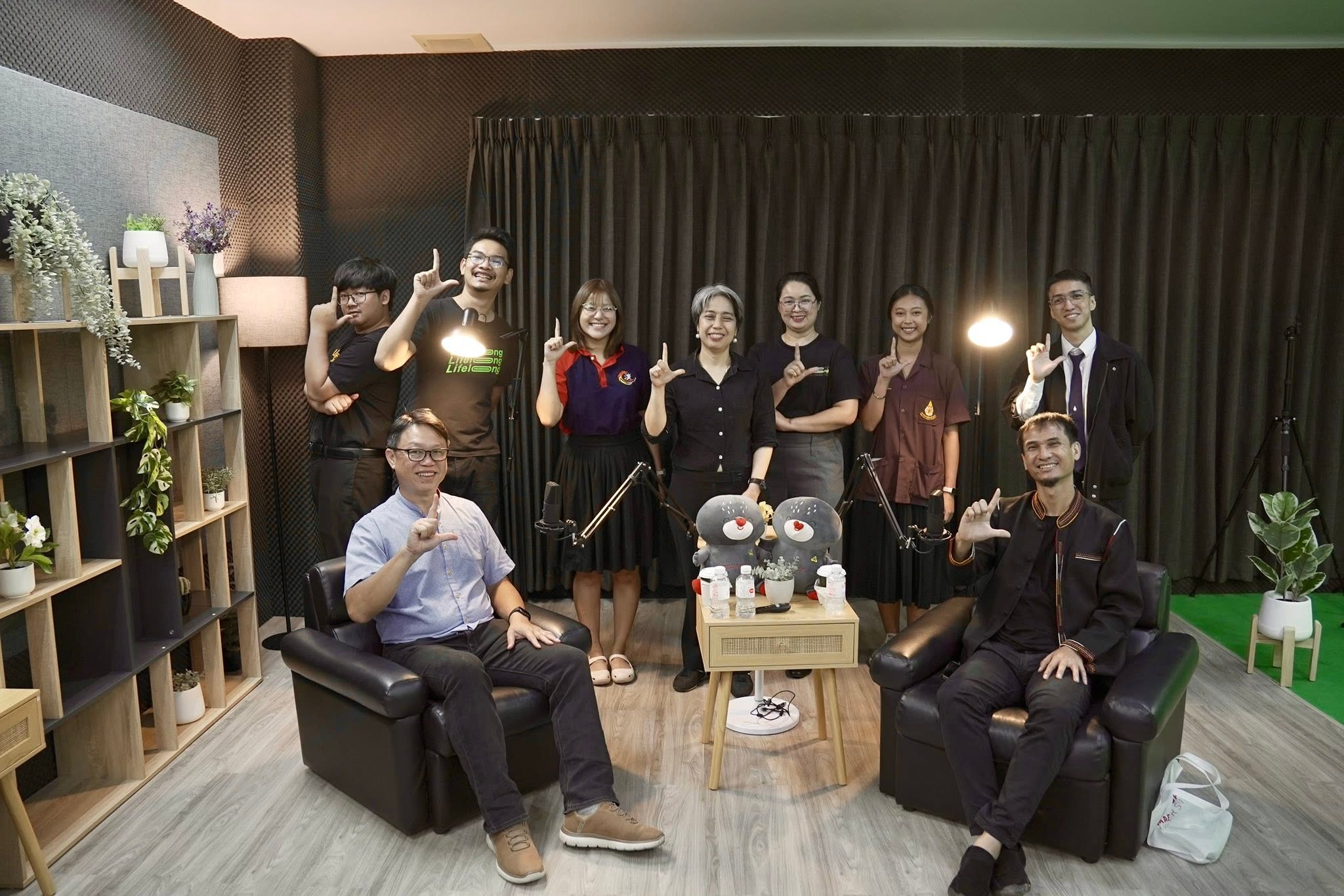
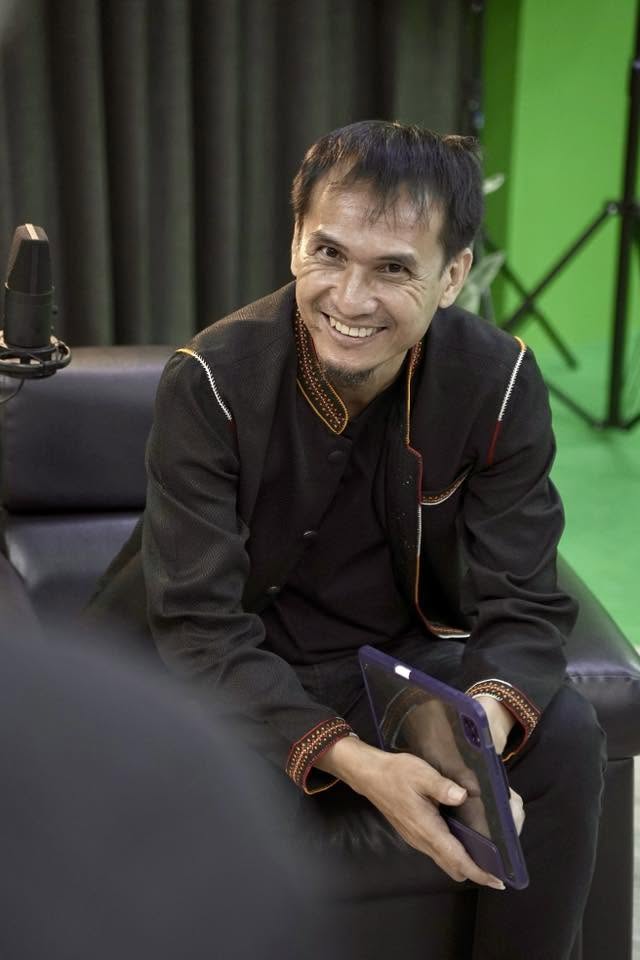
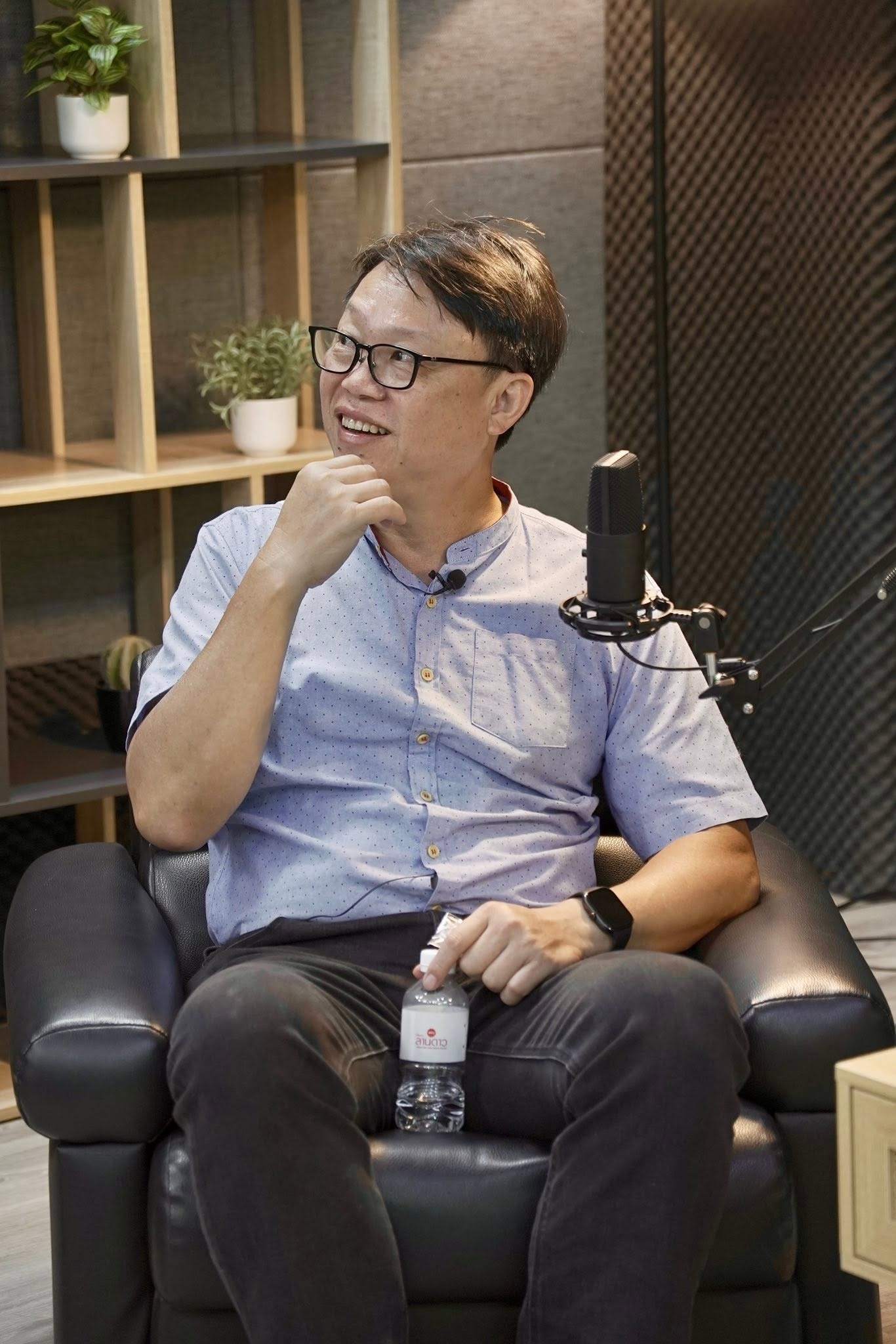
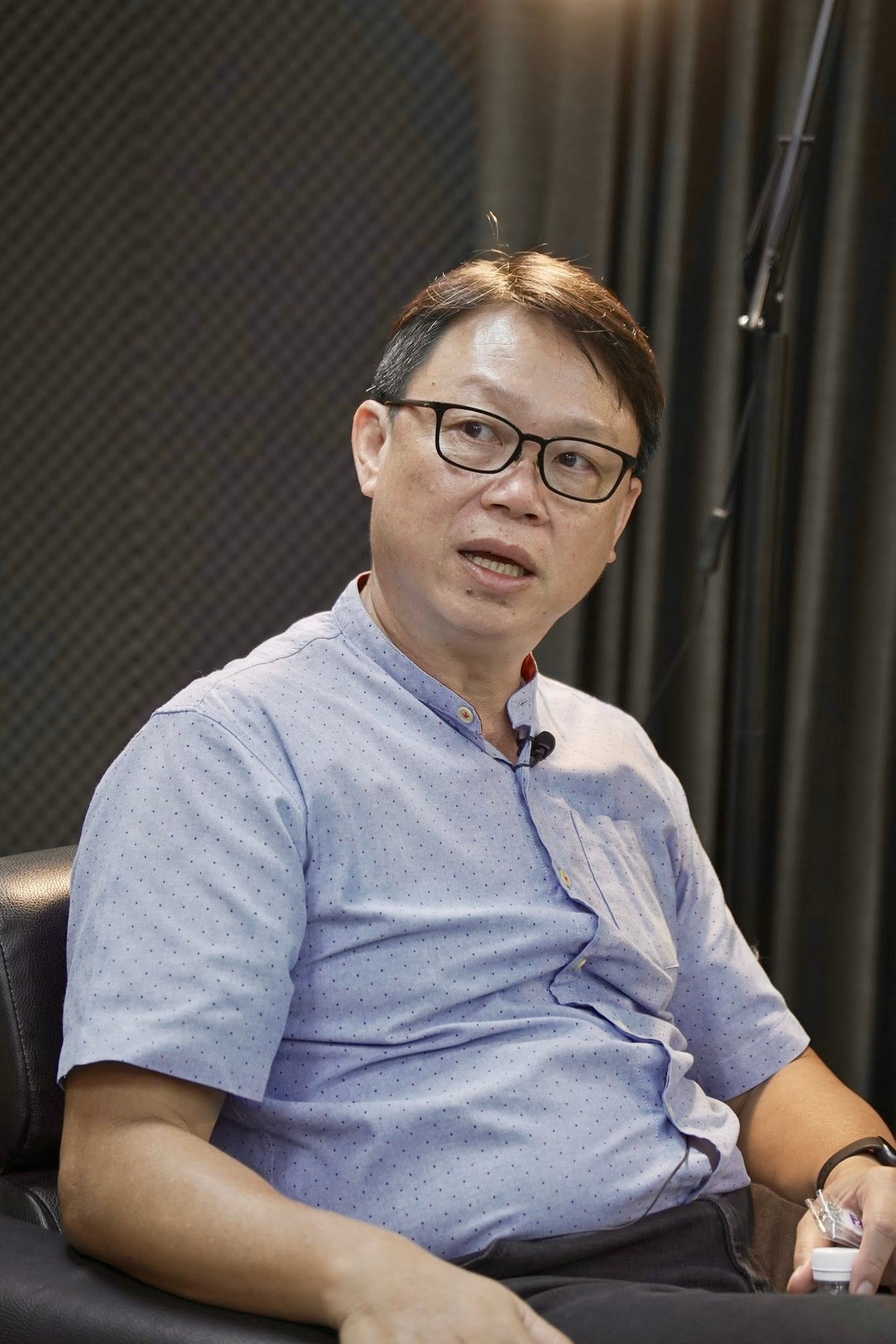
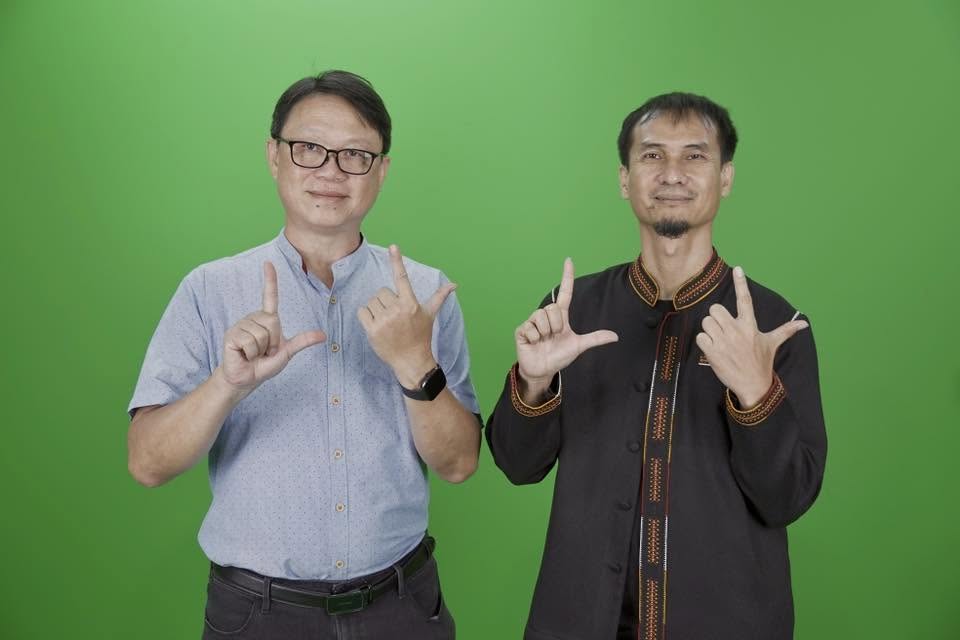
เมื่อวานสนุกมากครับ ไปสนทนากับ ผศ.ดร. สุวิชาน พัฒนาไพรวัลย์ (อาจารย์ชิ) ผู้นำรุ่นใหม่ด้านวัฒนธรรม การเมือง ชาติติพันธุ์ ที่มหาวิทยาลัยแม่ฟ้าหลวง ทั้งๆที่เจอกันผ่านๆมาหลายงานที่เชียงราย แต่ก็แบบเฉียดๆ ไม่ได้มีโอกาสได้คุยกันจริงๆสักที
มาคราวนี้สถาบันนวัตกรรมการเรียนรู้มหาวิทยาลัยแม่ฟ้าหลวง ตั้วประเด็นสนทนาในรายการพอดแคสต์ MLii | On Air หัวข้อ “Transformative Learning: การเรียนรู้จากโลกภายในสู่ความหมายของชีวิต” ให้เราได้คุยกันเต็มอิ่ม เกือบ 2 ชั่วโมง ขอบคุณอาจารย์กล้วย ผอ.และทีมงานศูนย์ที่น่ารักทุกคนด้วยนะครับ
การได้คุยลงลึกกับคู่สนทนาที่รับฟังและตั้งคำถาม และสะท้อนกลับได้คมขัด ทำให้เราต่างได้ต่อยอด ออกหน่อไอเดียและช่วยให้ความคิดแตกตัว ตกผลึกไปอีกขั้น
ประเด็นสนทนาเบื้องต้น
1. อะไรทำให้อาจารย์สนใจเรื่อง “Transformative Learning” และการเรียนรู้ที่เริ่มต้นจากการเข้าใจตนเอง
2. ในโลกที่ผู้คนต้องเรียนรู้และวิ่งไปข้างหน้าอยู่ตลอดเวลา อาจารย์คิดว่าอะไรทำให้หลายคนค่อย ๆ ห่างไกลจากตัวเอง
3. การเรียนรู้เพื่อการเปลี่ยนแปลงภายใน จำเป็นต้องผ่านการตั้งคำถามกับตัวตนหรือความเชื่อเดิมของตัวเองหรือไม่
4. การรับฟังโลกภายใน (Deep Listening) และการสื่อสารอย่างเข้าอกเข้าใจผ่านแนวคิด NVC (Nonviolent Communication) ช่วยให้เราเข้าใจตนเอง และเปลี่ยนความสัมพันธ์กับผู้คนรอบข้างได้อย่างไร
5. ในวันที่ผู้คนรู้สึกหลงทาง เหนื่อยล้า หรือไม่แน่ใจว่าชีวิตกำลังเดินไปทางไหน ธรรมชาติสามารถช่วยให้เรากลับมาเข้าใจตัวเองได้อย่างไร
6. บางครั้งการเรียนรู้ที่สำคัญที่สุดอาจไม่ได้เกิดขึ้นในห้องเรียน แต่อยู่ในช่วงเวลาที่เราได้อยู่กับตัวเอง อาจารย์มองเรื่องนี้อย่างไร
7. ในยุคที่ผู้คนเข้าถึงข้อมูลได้ง่ายขึ้น อาจารย์มองว่า “มหาวิทยาลัย ห้องเรียน และครู” ควรเป็นพื้นที่แบบไหน เพื่อให้เกิดการเรียนรู้ที่เปลี่ยนแปลงผู้คนได้จริง
8. ในมุมมองของอาจารย์ นอกจากความรู้ทางวิชาการแล้ว นักศึกษาควรได้เรียนรู้อะไรเกี่ยวกับชีวิตและตัวเองบ้าง
9. ท่ามกลางโลกที่เร่งรีบและเต็มไปด้วยความคาดหวัง ทำไมอาจารย์ถึงเชื่อว่า “มนุษย์ไม่ได้แสวงหาความสุข แต่แสวงหาความหมายของการมีชีวิตอยู่”
10. สำหรับคนที่รู้สึกว่าตัวเองห่างไกลจากความต้องการที่แท้จริง อาจารย์อยากให้เขาเริ่มต้นตั้งคำถามแรกกับตัวเองว่าอย่างไร
ติดตามได้ในขณะช่องยูทูป
คงได้ลงเร็วๆนี่ครับ
Yesterday was truly a joyful and enriching experience.
I had the opportunity to engage in a deep conversation with Assistant Professor Dr. Suwichan Phatthanapraiwan (Ajarn Chi), one of Thailand’s emerging voices in culture, politics, and ethnic studies, at Mae Fah Luang University.
Although we have crossed paths at various events in Chiang Rai over the years, our encounters were always brief. We had never really had the chance to sit down and explore ideas together in a meaningful way.
This time, the Institute of Learning Innovation at Mae Fah Luang University invited us to join the podcast series MLii | On Air for a conversation on the theme:
“Transformative Learning: From the Inner World to the Meaning of Life.”
For nearly two hours, we explored questions that matter deeply to our lives and our times. My heartfelt thanks to Ajarn Kluay, the Director of the Institute, and the wonderful team who made this dialogue possible.
There is something profoundly valuable about a conversation with someone who listens deeply, asks thoughtful questions, and reflects insights with clarity and precision. Such dialogue allows ideas to branch out, evolve, and crystallize into new understanding.
Some of the themes we explored included:
• What sparked my interest in Transformative Learning and learning that begins with self-understanding?
• Why do so many people gradually lose touch with themselves in a world that constantly demands movement and achievement?
• Does inner transformation require us to question our identities and long-held beliefs?
• How can Deep Listening and Nonviolent Communication (NVC) help us better understand ourselves and transform our relationships?
• How can nature support us when we feel lost, exhausted, or uncertain about our direction in life?
• Why do some of life’s most important lessons emerge not in classrooms, but in moments of solitude and reflection?
• What kind of spaces should universities, classrooms, and teachers create to foster genuinely transformative learning?
• Beyond academic knowledge, what should students learn about themselves and about life?
• Why do I believe that human beings are not primarily seeking happiness, but rather seeking meaning?
• For those who feel disconnected from their deepest needs, what is the first question they might ask themselves?
The episode will be available soon on YouTube. I’ll share the link when it is released.
Looking forward to continuing the conversation.