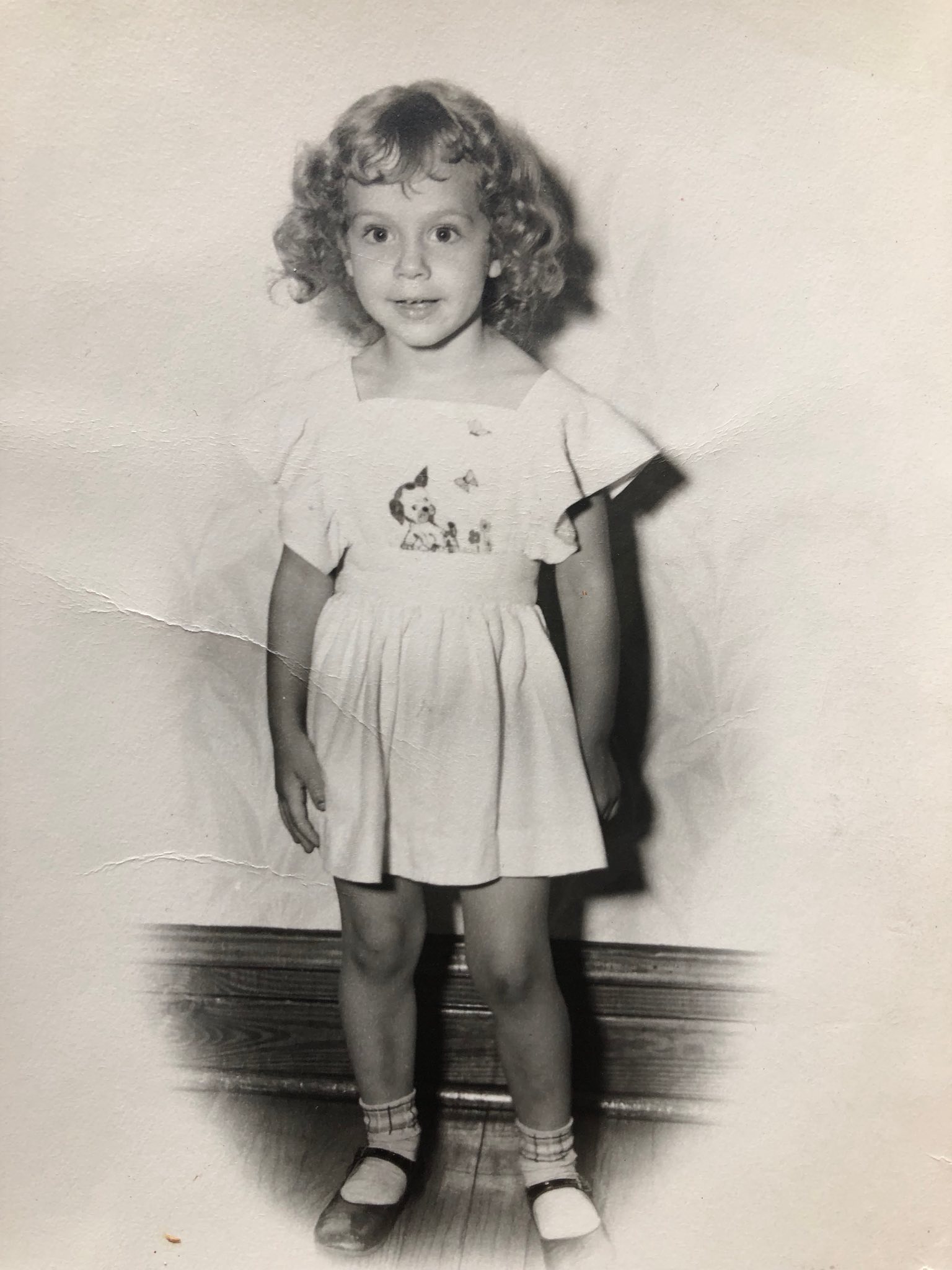
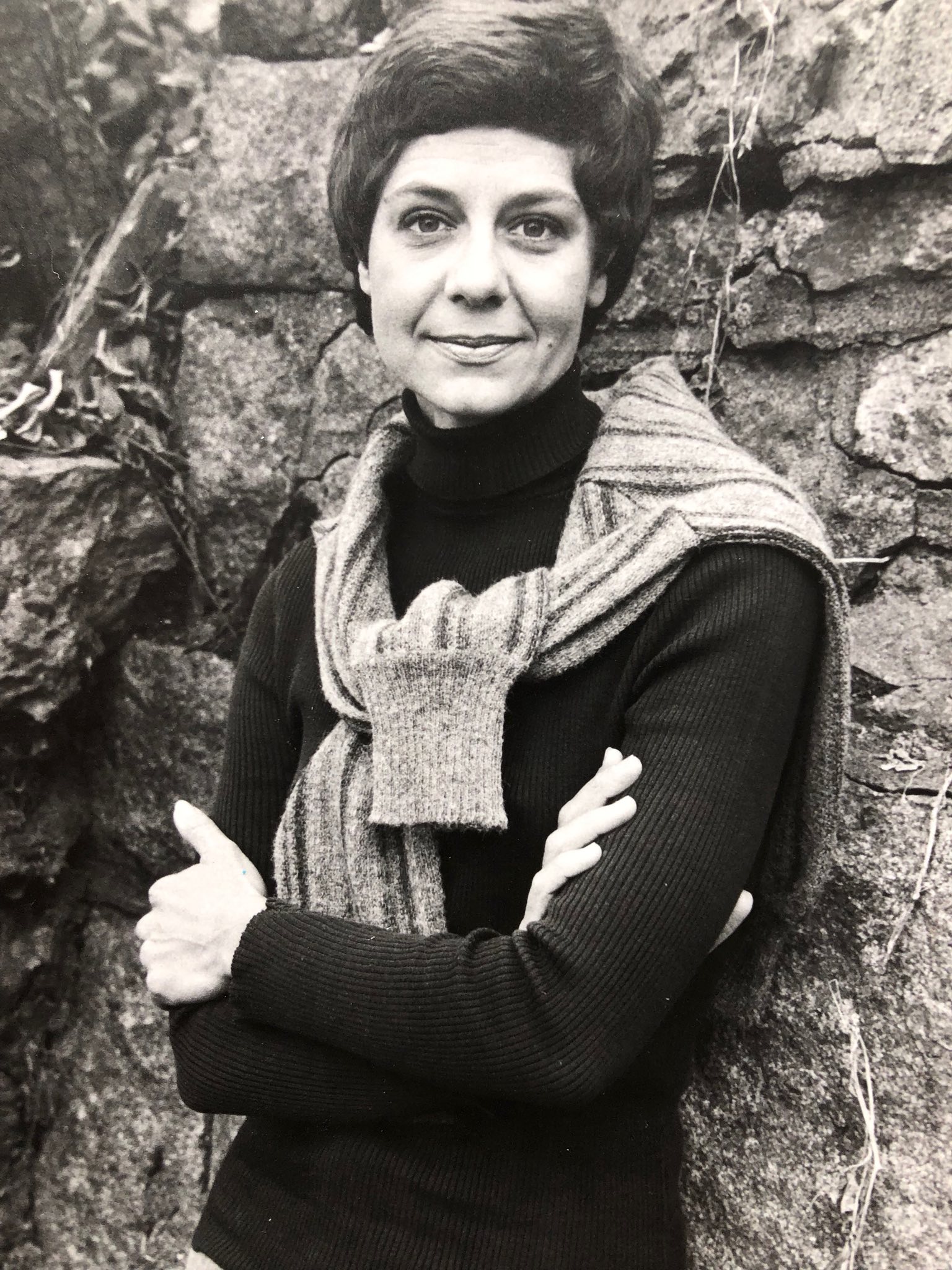
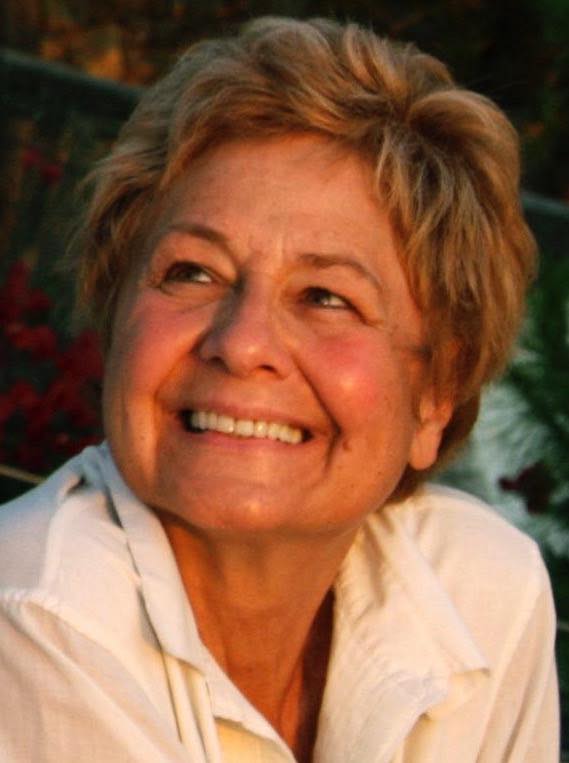
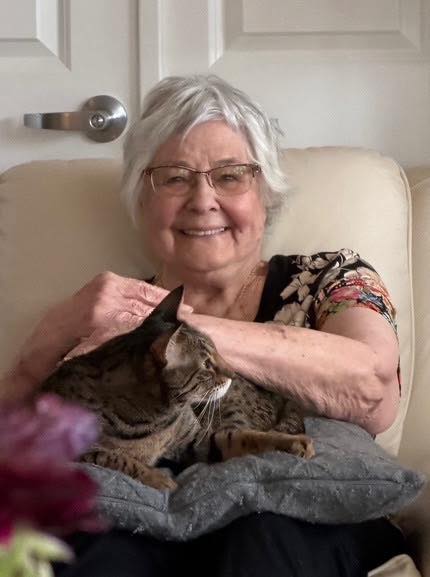
ครูที่รักยิ่งของผม
Rabia หรือ MASHEIKHA RABIA ELIZABETH ROBERTS Ed.D
ได้จากไปแล้วเมื่อวันที่ 16 มกราคม 2026
ท่านคือผู้ที่ได้สอนและฝึกฝนผมในเรื่องนิเวศวิทยาเชิงลึก (Deep Ecology) การเปลี่ยนแปลงระบบ และการเป็นผู้นำในการจัดกระบวนการ Vision Quest
ในช่วงทศวรรษ 1970 ท่านเคยทำงานร่วมกับ Dr. Martin Luther King ในขบวนการสิทธิพลเมืองของสหรัฐอเมริกา
และต่อมาได้ศึกษาและปฏิบัติธรรมในสายพุทธ โดยได้รับการเรียนรู้จาก Thich Nhat Hanh และครูทางจิตวิญญาณท่านอื่น ๆ
ท่านยังได้รับการฝึกฝนในการนำ Vision Quest จาก Steven Foster และ Meredith Little
การมีอยู่ของท่านอย่างเต็มเปี่ยม การฟังอย่างลึกซึ้ง และการอยู่กับผู้อื่นอย่างแท้จริง เป็นแรงบันดาลใจให้กับผู้คนมากมาย
เพราะมันสะท้อนถึงความกล้าหาญและความกรุณาที่เป็นธรรมชาติของท่าน
ผมขอแสดงความขอบคุณอย่างสุดหัวใจ พร้อมกับความอาลัยอย่างลึกซึ้งถึงท่าน
ขอบคุณสำหรับการสนับสนุนที่อบอุ่นเสมอมา
และสายตาที่ลึกซึ้ง ที่มองเห็นผมในฐานะผู้ชายที่ผมกำลังเติบโตไปเป็น
แล้วพบกันใหม่… ในสักที่หนึ่ง
ด้วยรักยิ่ง
My beloved teacher, Rabia or MASHEIKHA RABIA ELIZABETH ROBERTS Ed.D, just passed away on Jan 16, 2026. She taught and trained me deep ecology, transforming systems, and how to lead a vision quest. She use to work for Dr. Martin Luther King in the 70s for the civil right movement in the US, and later learn and practice Buddhism from Thich Nat Han and other Buddhist teachers. She was trained to lead a vision quest by Steven Foster and Meridith Little. Her fully attentive presence and deep listening was always inspiring to many people since it showed her natural courage and compassion.
My deep gratitude and sadness to you, thank you for all the warm support and the insightful eyes that saw me as a man I was becoming.
Until next time,
Love
Nutt
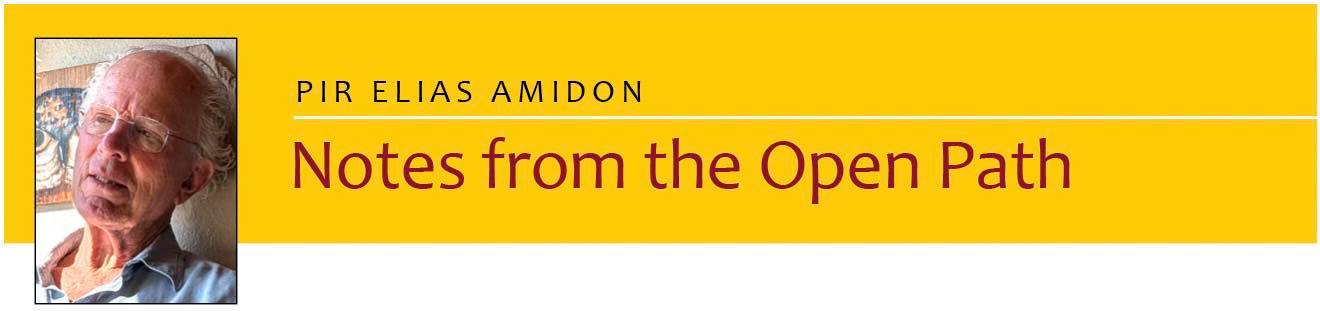
Here’s my another teacher, her husband, Elias Amidon, wrote for her.
Eulogy
MASHEIKHA RABIA ELIZABETH ROBERTS Ed.D
My wife of 40 years recently died. I held her hand as her breathing ceased. I have no doubt that whatever she has become, whatever she is happening within now, is beautiful, and good, and blissful. She is no longer a “she” of course, no longer the human woman I loved, but whatever it is that she is now, I know it is loving, beautiful, good, and blissful beyond what we can conceive or imagine from our little perches on this world.
When she was alive she often questioned this knowing of mine, and I had no way to prove it. I could feel she wanted to have the certainty I have about all this, but her well-trained mind liked to put up objections. That kept things lively. I acknowledged to her that words like love, goodness, bliss, and beauty all implied their opposites, but when I tried to say they were simply alternate words for the “All-Good” spoken of in the Tibetan tradition — the All-Good that’s beyond opposites — she’d smile and we’d start in again.
Now that she’s gone the task of writing an obituary or eulogizing her at a memorial has largely fallen to me. How to describe a life? How to express the unique charm of a person? How to tell of their hurts and fears? Shall I list her accomplishments, degrees, and projects, her awards and honors? She had many. When people hear of them, they’re impressed. But is that list important? Is that the true legacy of her life?
I remember about a year ago she was talking with some friends, telling them that she felt frustrated she hadn’t completed her “legacy,” that there were so many projects remaining unfinished. They laughed. “You, of all people!” they said. They told her to relax; her legacy was both extraordinary and complete. I think she let that in, and over this final year of her life what had been her willpower and creative ambition indeed relaxed. She became more simply present, and gently released judgments of herself and me and other people and this troubled world. In the 40 years I knew her, I’d never seen her so quietly happy.
But oh, she suffered too! From the time she was a toddler to her final breath this world hammered on her body, one trauma and sickness after another. She needed a lot of care and was uncertain the world would provide it. That uncertainty was like a limp she walked with and endured. I suppose we all have them, these limps. Sometimes her limp weakened her, but more often it gave her strength as she found her way back to relative health. Her brave resilience was part of her legacy too.
Perhaps her own need for care was what made her such a generous person. She seemed to care about everything and everyone! Activist, feminist, professor, scholar, spiritual teacher, philanthropist (when she had any money), lover, wife, mother, grandmother, pilgrim, guide — her care for others nearly always surfaced ahead of her need of care for herself.
Trying to speak of and honor her life has made me wonder what a person’s “legacy” actually consists of, and why defining it seems to matter so much to us. Is it our attempt to concretize a loved one’s identity at last; to confirm they mattered in these ways, that their life amounted to something? Is it the ego’s last stand as the river of impermanence sweeps us away?
Of course my wife’s life mattered, but how so? I don’t think it can be revealed in any summation or list or characterization I might write. Perhaps it’s best to say her life mattered in the moments of it, in the moments of her relating and giving and receiving. Even her confusion and hurts and how she cared for herself through all of it, that mattered. I think this is true for all of us. There can be no summation of us; we are each a continual becoming, each such a vast, unknown territory — to ourselves and certainly to each other.
I’ve been clearing up the stuff she left behind — clothes, files, photos, innumerable pieces of memorabilia from a long, adventurous and creative life. Some of it I’ve given to family or thrift stores, some of it to be buried in a landfill, some of it I keep. But what I keep is only a little, because these things don’t really represent her or her legacy in me. That legacy is undefinable and unspeakable. It’s not even about memories now, those blurry photos of the far-off past. Her legacy, her mattering, isn’t in any of these things. I like to think it’s in the great, wider life that she participated in, cared about, and offered her life to. The particulars have vanished, but the caring has not. Perhaps, in the end, maybe we could say it’s our caring that is our legacy.
I was having trouble the other day throwing out an enormous number of files that she had accumulated — notes of speeches, background material, journals, letters — stuff she hadn’t looked at in years. It all felt to me so precious, all this evidence of a life lived earnestly and caringly. How could I throw it away? Then a friend helped me with a beautiful image: all of this paper, all this evidence of countless long-ago moments that were once relevant and alive, were like the colorful grains of sand of a Tibetan sand mandala. Having been formed, grain-by-grain, into an exquisite design, the sand is then gently swept up and poured into a nearby river. By throwing out the evidence of those moments in her life, I was gently tipping the rest of her mandala into the river.
What remains? What remains of a life? Nothing, I think now, but the caring in it, the care given each grain of sand as it is placed in the mandala before it is tipped in the river. The care I give to write this, and that you give to read it. The loving care that was the current of her life and that swept her along.
แปล
คำไว้อาลัย
แด่ Masheikha Rabia Elizabeth Roberts
ภรรยาของผม ผู้ที่ผมได้ใช้ชีวิตร่วมกันมาถึง 40 ปี เพิ่งจากไปไม่นานมานี้ ผมยังคงจำช่วงเวลาที่ได้จับมือเธอไว้ ขณะที่ลมหายใจสุดท้ายค่อย ๆ แผ่วลง
ผมเชื่ออย่างหมดใจว่า ไม่ว่าเธอจะไปอยู่ ณ แห่งหนใด ไม่ว่าเธอจะดำรงอยู่ในรูปแบบใดในเวลานี้ สิ่งนั้นย่อมงดงาม เปี่ยมด้วยความดี และเต็มไปด้วยความสงบสุขอย่างลึกซึ้ง เกินกว่าที่เราจะจินตนาการได้
แม้เธอจะไม่ใช่ “เธอ” ในแบบเดิมอีกต่อไป ไม่ใช่ผู้หญิงที่ผมเคยจับมือ เคยหัวเราะ และใช้ชีวิตร่วมกัน แต่สิ่งที่เธอเป็นอยู่ในขณะนี้ ผมเชื่อว่าเต็มไปด้วยความรัก ความงาม และความบริสุทธิ์อย่างที่สุด
ตลอดเวลาที่เธอยังมีชีวิตอยู่ เธอมักตั้งคำถามกับความเชื่อเช่นนี้ของผม และผมก็ไม่เคยมีคำตอบที่จะพิสูจน์ให้เธอเห็นได้อย่างชัดเจน แต่ลึก ๆ ผมรู้ว่า เธอก็อยากสัมผัสความมั่นใจแบบนั้น เพียงแต่จิตใจที่เฉียบคมของเธอมักจะตั้งคำถามอยู่เสมอ และนั่นเอง ที่ทำให้บทสนทนาของเรามีชีวิตชีวาเสมอมา
วันนี้ เมื่อเธอจากไป หน้าที่ในการกล่าวถึงชีวิตของเธอจึงตกอยู่กับผม และผมก็พบว่ามันไม่ใช่เรื่องง่ายเลย
เราจะสรุปชีวิตของคนคนหนึ่งได้อย่างไร
เราจะถ่ายทอดตัวตน ความงดงาม ความเปราะบาง ของใครสักคนได้อย่างไร
เราควรจะกล่าวถึงความสำเร็จ เกียรติยศ หรือผลงานต่าง ๆ ของเธอหรือไม่
ใช่… เธอมีสิ่งเหล่านั้นมากมาย
แต่ผมกลับตั้งคำถามว่า นั่นคือสิ่งที่สำคัญที่สุดจริงหรือ?
ผมนึกถึงเมื่อประมาณหนึ่งปีก่อน เธอเคยพูดกับเพื่อน ๆ ว่าเธอยังทำ “มรดกชีวิต” ของเธอไม่เสร็จ ยังมีหลายสิ่งที่ค้างคาอยู่
แต่เพื่อนของเธอกลับบอกว่า
“สำหรับเธอ… มรดกนั้นสมบูรณ์แล้ว”
ดูเหมือนว่าเธอจะรับฟังสิ่งนั้น และในช่วงปีสุดท้ายของชีวิต เธอค่อย ๆ ผ่อนคลายจากความพยายามและความคาดหวัง
เธอกลับมาอยู่กับปัจจุบันมากขึ้น
ปล่อยวางการตัดสินตัวเอง และผู้อื่นลงทีละน้อย
ใน 40 ปีที่ผมรู้จักเธอ
ผมไม่เคยเห็นเธอสงบและเป็นสุขได้อย่างลึกซึ้งเช่นนั้นมาก่อน
แต่ในขณะเดียวกัน ชีวิตของเธอก็เต็มไปด้วยความยากลำบาก
ตั้งแต่วัยเด็ก เธอต้องเผชิญกับความเจ็บป่วยและความไม่แน่นอนอยู่เสมอ
ความไม่มั่นคงนั้นเหมือนเป็น “รอยกะเผลก” ที่เธอต้องเดินไปด้วยตลอดชีวิต
และบางที… รอยกะเผลกนั้นเอง
ที่ทำให้เธอกลายเป็นคนที่เปี่ยมด้วยความเมตตา
เธอเป็นคนที่ห่วงใยผู้อื่นอย่างลึกซึ้ง
ไม่ว่าจะในบทบาทของนักเคลื่อนไหว นักวิชาการ ครูทางจิตวิญญาณ ภรรยา แม่ หรือคุณย่า
เธอมักมอบความใส่ใจให้กับผู้อื่น ก่อนจะหันกลับมาดูแลตัวเองเสมอ
เมื่อผมพยายามจะพูดถึง “มรดกชีวิต” ของเธอ
ผมจึงเริ่มตั้งคำถามว่า มรดกนั้นคืออะไรกันแน่
มันคือผลงาน?
คือชื่อเสียง?
หรือเป็นเพียงความพยายามของเราที่อยากยืนยันว่า ชีวิตหนึ่งชีวิต “มีความหมาย”
สำหรับผม… ชีวิตของเธอมีความหมายอย่างแน่นอน
แต่ไม่ใช่ในรูปแบบของรายการ หรือคำสรุปใด ๆ
มันอยู่ใน “แต่ละขณะ” ที่เธอมีชีวิตอยู่
ในทุกครั้งที่เธอให้
ทุกครั้งที่เธอรับ
แม้กระทั่งในความสับสน ความเจ็บปวด
และวิธีที่เธอดูแลตัวเองผ่านสิ่งเหล่านั้น
เมื่อไม่นานมานี้ ผมได้จัดการกับข้าวของที่เธอทิ้งไว้
เอกสาร รูปถ่าย บันทึก และความทรงจำมากมาย
บางอย่างผมเก็บไว้ บางอย่างผมต้องปล่อยไป
และมันไม่ใช่เรื่องง่ายเลย
จนมีเพื่อนคนหนึ่งบอกกับผมว่า
สิ่งเหล่านี้ เปรียบเหมือน “มันดาลาทราย”
ที่ถูกสร้างขึ้นอย่างประณีตทีละเม็ด
แล้วสุดท้ายก็ถูกกวาดลงสู่สายน้ำ
การปล่อยสิ่งเหล่านี้ไป
ก็เหมือนกับการค่อย ๆ ส่งเธอกลับคืนสู่ความไม่เที่ยงของชีวิต
แล้วอะไรเล่าที่ยังคงอยู่?
ผมคิดว่า…
สิ่งที่ยังคงอยู่ ไม่ใช่สิ่งของ ไม่ใช่ความทรงจำ
แต่คือ “ความใส่ใจ”
ความรักที่เธอได้มอบให้ในทุกขณะของชีวิต
ความใส่ใจที่เธอมีต่อโลก
ต่อผู้คน
และต่อชีวิตของเธอเอง
และในวันนี้
ความใส่ใจนั้น… ยังคงไหลอยู่
ผ่านผม
และผ่านทุกคนที่เคยได้รับมันจากเธอ
บางที
นี่เอง… คือมรดกที่แท้จริงของชีวิต