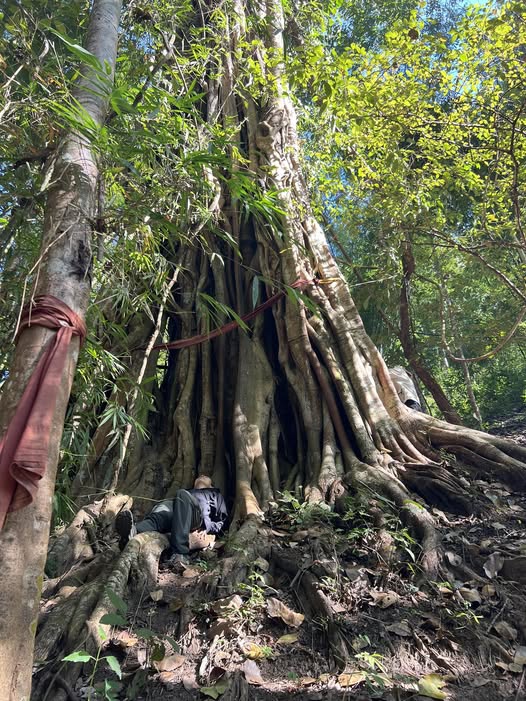
I just finished another magical vision quest for 7 people, mostly from China. One of the questions often asked is:
Why fasting?
I did some research and here are the reasons;
Fasting shows up again and again across spiritual traditions because it works on several levels at once—biological, psychological, social, and symbolic. It’s one of those rare practices where the body itself becomes the teacher.
Here are the core reasons it’s so widely shared:
1. It quiets the body so the mind can listen
When digestion pauses, energy and attention shift. Many traditions discovered—long before neuroscience—that fasting can:
• reduce sensory distraction
• sharpen awareness
• make subtle inner movements easier to notice
This is why prophets, yogis, shamans, monks, and mystics often fast before receiving visions, teachings, or vows.
2. It reveals attachment and craving
Food is our most immediate comfort and survival need. When it’s removed:
• habits surface
• emotional dependencies show themselves
• unconscious patterns become conscious
In this way, fasting is a direct doorway into insight—not unlike what you’ve explored through Vipassana and shadow work: seeing clearly what usually runs in the background.
3. It trains voluntary self-restraint
Across traditions, fasting is not about punishment but choice:
• “I can feel hunger and not be ruled by it.”
• “I can stay present with discomfort without escaping.”
This builds inner authority and dignity—qualities essential for monks, warriors, shamans, and leaders alike. (Think of the Shambhala warrior ideal: gentleness paired with discipline.)
4. It marks a threshold or rite of passage
Fasting often accompanies:
• vision quests
• initiations
• holy days
• periods of mourning or repentance
Anthropologically, it functions as a liminal practice—you step out of ordinary life, suspend normal rhythms, and become available for transformation.
⸻
5. It humbles the ego
Hunger reminds us:
• we are dependent beings
• life is not fully under our control
This softening of ego defenses makes surrender, prayer, and devotion more accessible. Many traditions see fasting as a way to “thin the veil” between the personal self and something larger.
⸻
6. It creates solidarity and equality
When a community fasts together:
• rich and poor share the same hunger
• social hierarchies temporarily dissolve
• empathy deepens
This is why fasting is often tied to ethics, compassion, and justice—not just private enlightenment.
⸻
7. It speaks a universal bodily language
Unlike beliefs or doctrines, fasting doesn’t require translation. Every human body understands hunger. That makes it a cross-cultural spiritual technology—simple, powerful, and accessible.
⸻
In essence
Fasting is shared across spiritual traditions because it:
loosens the grip of the habitual self so a deeper listening can emerge.
Or said differently:
• Meditation works with the mind
• Ritual works with meaning
• Fasting works with the will and the body at the same time
⸻
อดอาหารทำไม?
ทำไมการอดอาหารจึงเป็นการปฏิบัติทางจิตวิญญาณที่พบร่วมกันในหลายวัฒนธรรม
การอดอาหารปรากฏซ้ำแล้วซ้ำเล่าในประเพณีทางจิตวิญญาณทั่วโลก เพราะมันทำงานพร้อมกันหลายระดับ—ทั้งทางกาย ชีววิทยา จิตใจ สังคม และเชิงสัญลักษณ์ เป็นการปฏิบัติไม่กี่อย่างที่ ให้ร่างกายกลายเป็นครูโดยตรง
⸻
1. ทำให้ร่างกายสงบ เพื่อให้จิตใจได้ฟังอย่างลึก
เมื่อการย่อยอาหารหยุดลง พลังงานและความสนใจจะเคลื่อนย้าย หลายประเพณีค้นพบ—ก่อนที่ประสาทวิทยาศาสตร์จะอธิบายได้—ว่าการอดอาหารช่วย:
• ลดสิ่งเร้าทางประสาทสัมผัส
• ทำให้การรับรู้คมชัดขึ้น
• ทำให้การเคลื่อนไหวภายในที่ละเอียดอ่อนถูกสังเกตได้ง่ายขึ้น
นี่คือเหตุผลที่ผู้เผยพระวจนะ ฤๅษี หมอผี นักบวช และนักปฏิบัติทางจิตวิญญาณจำนวนมากอดอาหารก่อนการรับนิมิต คำสอน หรือคำปฏิญาณ
⸻
2. เผยให้เห็นความยึดติดและความอยาก
อาหารคือความสบายและความต้องการพื้นฐานที่สุดของมนุษย์ เมื่อมันถูกพรากออกไป:
• นิสัยเดิมจะโผล่ขึ้นมา
• การพึ่งพาทางอารมณ์จะชัดเจน
• รูปแบบที่ไม่รู้ตัวจะกลายเป็นสิ่งที่มองเห็นได้
ในแง่นี้ การอดอาหารคือประตูตรงสู่ปัญญา—คล้ายกับสิ่งที่เกิดในวิปัสสนาและการทำงานกับเงา: การเห็นสิ่งที่ปกติทำงานอยู่เบื้องหลังอย่างชัดเจน
⸻
3. ฝึกการยับยั้งตนเองโดยสมัครใจ
การอดอาหารในหลายประเพณีไม่ใช่การลงโทษตนเอง แต่คือการ “เลือก”:
• “ฉันรู้สึกหิวได้ โดยไม่ต้องถูกมันครอบงำ”
• “ฉันอยู่กับความไม่สบายได้ โดยไม่ต้องหนี”
สิ่งนี้สร้างอำนาจภายในและศักดิ์ศรีของตนเอง—คุณสมบัติสำคัญของนักบวช นักรบ หมอผี และผู้นำ
(สอดคล้องกับอุดมคติของนักรบชัมบาลา: ความอ่อนโยนควบคู่กับวินัย)
⸻
4. ทำหน้าที่เป็นประตูผ่านหรือพิธีเปลี่ยนผ่าน
การอดอาหารมักมาพร้อมกับ:
• เควสวิสัยทัศน์ (Vision Quest)
• พิธีเริ่มต้น
• วันศักดิ์สิทธิ์
• ช่วงเวลาแห่งการไว้อาลัยหรือการสำนึกผิด
ในเชิงมานุษยวิทยา นี่คือการปฏิบัติแบบ ช่วงผ่าน (liminal)—การก้าวออกจากชีวิตปกติ หยุดจังหวะเดิม และเปิดพื้นที่ให้การแปรเปลี่ยนเกิดขึ้น
⸻
5. ถ่อมอัตตา
ความหิวเตือนเราว่า:
• เราเป็นสิ่งมีชีวิตที่ต้องพึ่งพา
• ชีวิตไม่ได้อยู่ภายใต้การควบคุมของเราอย่างสมบูรณ์
การอ่อนลงของกลไกป้องกันอัตตานี้ ทำให้การยอมจำนน การภาวนา และศรัทธาเกิดขึ้นได้ง่ายขึ้น หลายประเพณีมองว่าการอดอาหารคือการ “ทำให้ม่านบางลง” ระหว่างตัวตนส่วนบุคคลกับสิ่งที่ยิ่งใหญ่กว่า
⸻
6. สร้างความเป็นหนึ่งเดียวและความเสมอภาค
เมื่อชุมชนอดอาหารร่วมกัน:
• คนรวยและคนจนสัมผัสความหิวเหมือนกัน
• ลำดับชั้นทางสังคมถูกพักไว้ชั่วคราว
• ความเห็นอกเห็นใจลึกซึ้งขึ้น
จึงไม่น่าแปลกที่การอดอาหารมักเชื่อมโยงกับจริยธรรม ความกรุณา และความยุติธรรม ไม่ใช่เพียงการรู้แจ้งส่วนตัว
⸻
7. เป็นภาษาสากลของร่างกาย
ต่างจากความเชื่อหรือหลักคำสอน การอดอาหารไม่ต้องการการแปล ร่างกายมนุษย์ทุกคนเข้าใจความหิว ทำให้มันเป็น เทคโนโลยีทางจิตวิญญาณข้ามวัฒนธรรม ที่เรียบง่าย ทรงพลัง และเข้าถึงได้
⸻
แก่นแท้
การอดอาหารพบร่วมกันในหลายประเพณีทางจิตวิญญาณ เพราะมัน:
คลายการยึดเกาะของตัวตนที่เคยชิน เพื่อเปิดพื้นที่ให้การรับฟังที่ลึกกว่าเกิดขึ้น
หรือกล่าวอีกแบบ:
• สมาธิทำงานกับจิต
• พิธีกรรมทำงานกับความหมาย
• การอดอาหารทำงานกับเจตจำนงและร่างกายพร้อมกัน