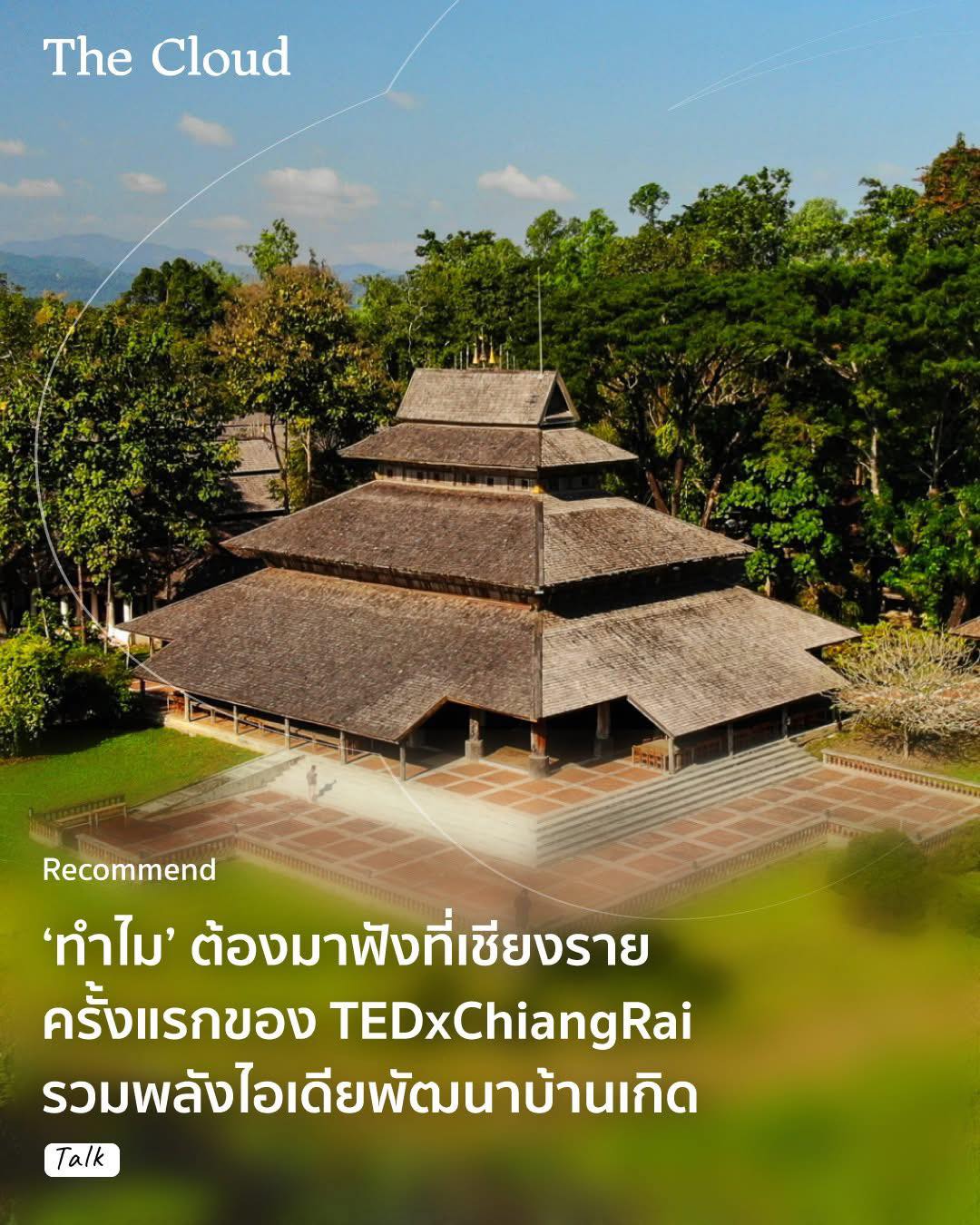
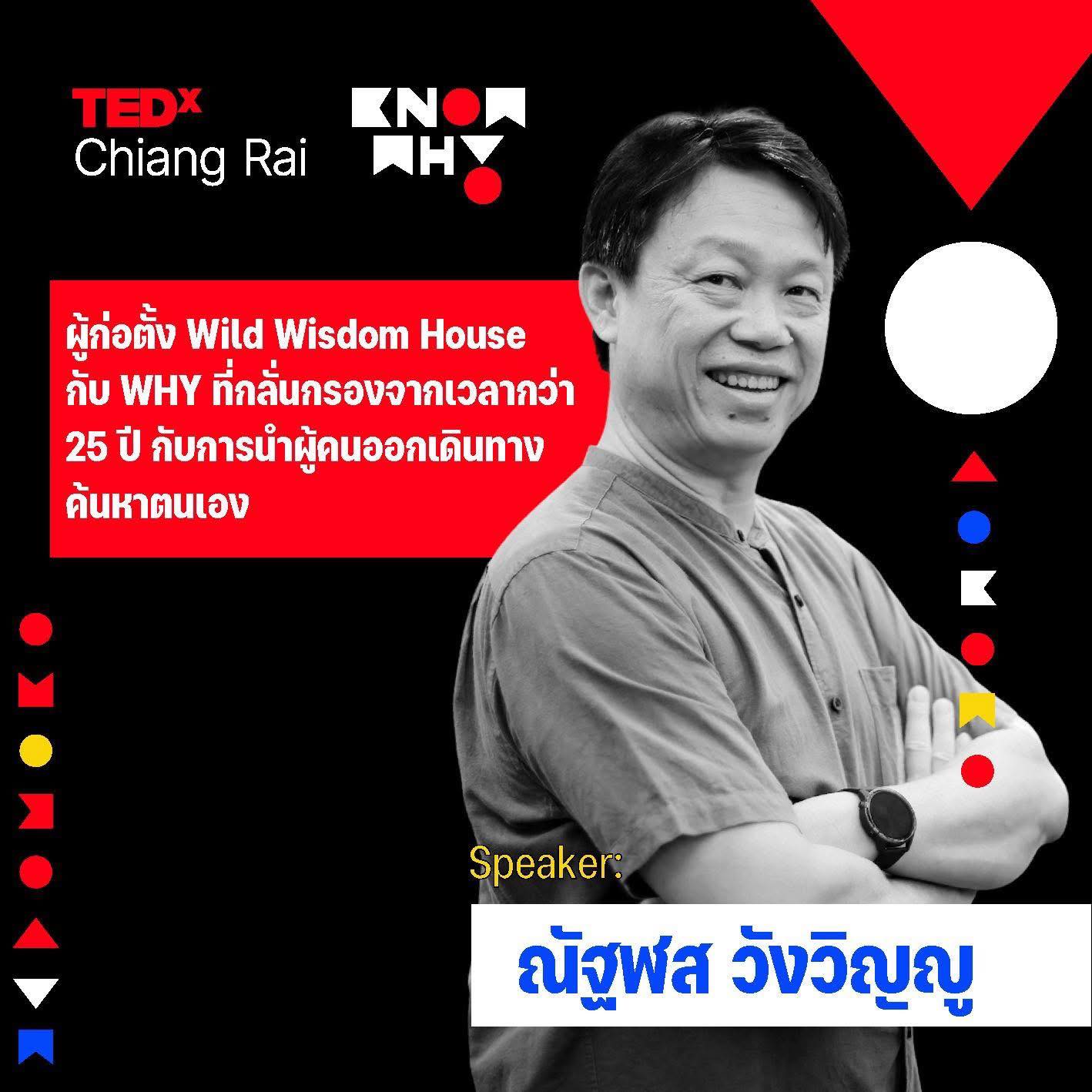
When I was first invited to speak at the inaugural TEDx Chiang Rai, I felt both excited and grateful. I had admired TED for many years. No matter who was speaking or what the topic was, I could always sense the authenticity of the speaker, and I always found it meaningful.
So when the organizers asked me to speak on Vision Quest, I thought to myself: “That’s easy.” After all, I had shared this story many times before. But once I realized I had to shape it into a 15-minute talk, I discovered what a real challenge it was—to weave my personal story, offer something fresh, and still bring true value to the audience.
I want to express my appreciation to the team—Li, Som, and Mint, our curators—who created a warm and encouraging atmosphere, and also to Roj and Keng for letting us use The Roastery as a rehearsal space. I was delighted to meet both old and new friends, and to witness the potential and sincerity of Chiang Rai people, who don’t often gather in this way.
During rehearsals, I noticed that making adjustments in detail was not too difficult. What moved me most was watching my fellow speakers. Each one was deeply skilled in their own field, yet when stepping onto a global stage within such a strict time frame, anxiety naturally appeared. It reminded me of a wild horse—free in the open fields, but suddenly placed inside a narrow corral. Restless. If the horse cannot show its true nature, it would be a loss. Because audiences don’t just want polished words; they long to encounter the real person behind them.
The night before the event, I had a dream. I saw myself on stage, fainting, collapsing, and then rising again—speaking from the most natural place within me. I knew it was a message from my unconscious: something in me had to “die”—the part that wanted to please others—so that I could speak from the deeper truth of my heart. This echoed perfectly with the theme of Vision Quest: letting the old self die so that a truer self may be born.
I am not a great speaker. I am, rather, a listener. I listen to people. I listen to the stage. I listen to nature. I listen to the intention of the event. I listen to the Kok River and Doi Nang Non—asking what they want me to pass on to future generations. My ability to speak comes only when I can listen well. If I worry about my image, my power disappears.
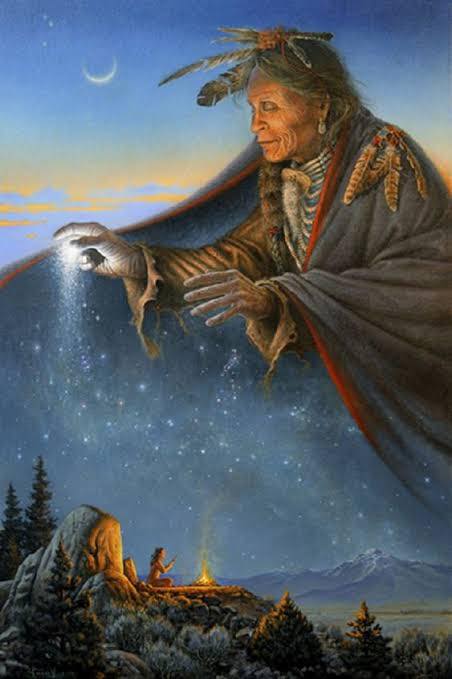
Being the last speaker of the day, I was able to absorb the energy from everyone before me. By the time I took the stage, it was no longer just “a talk.” It became a small ritual—with the sound of a Native American flute, and an invitation for people to close their eyes and listen within, to touch what words alone could not explain: what a Vision Quest truly is.
To some, being like a “contemporary shaman” may sound unusual. But for me, this is my love, and my gift. The story of my journey in the desert is only one example. The deeper message is that every human being has their own path to discover their truth. If we dare to release control, let go of fear, and open to the power of nature greater than ourselves—we will find a worth that no external standard can measure.
Finally, I want to thank the organizing team, the sponsors, the attentive audience, and especially my family—who reflect back to me, with honesty, which version is my “true self,” and which is not.
TEDx Chiang Rai.
Here is a the scripts prepare for the talk. Even though it is difficult from what i actually spoke about, it still carry theme and from the same intention.
TED Talk – Vision Quest and the Call of the Soul
Have you ever felt… that life looks complete—you have everything you need—yet a quiet question remains inside:
Who am I, really?
I want to share the story of a boy who carried that question.
He was born in Chiang Rai, in a warm and loving family. He didn’t lack much—except self-confidence. He worked hard to be admired, to be loved. He studied well, played sports, played music, ranked near the top of his class. People praised him, but inside he still felt insecure, still searching for something solid.
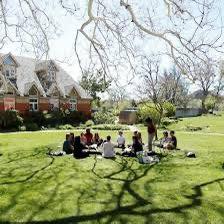
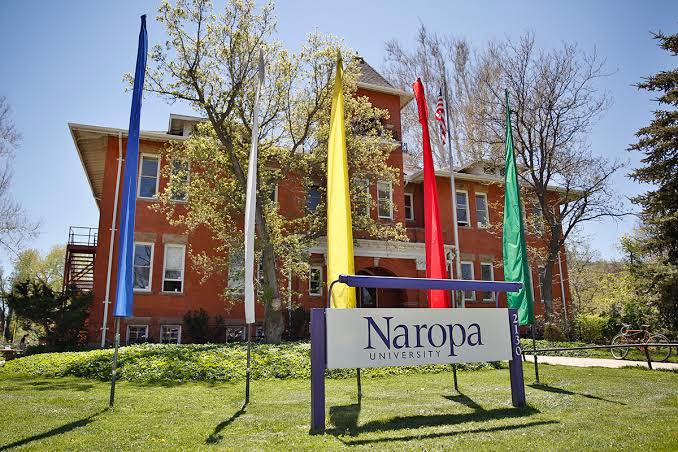
So he became a monk. He spent a year seeking truth, letting go of greed, anger, delusion. After disrobing, he traveled to the U.S. to study environmental leadership at Naropa University.
And there—in the Utah desert—his life changed forever.
As part of his master’s program, he joined a Vision Quest: three days and three nights, alone, fasting, in the wilderness.
On the final evening, almost hopeless because nothing miraculous had happened, a rabbit appeared. He followed it until it vanished. In its place stood a single, ancient tree.
He touched the tree and whispered,
“Hello, my name is Nutt, from Thailand. I came all this way to discover who I am. You’ve stood here so long. Do you feel lonely?”
At first, there was silence. Then he noticed small green shoots around its roots. “These must be your children,” he thought. “But is that all? To give birth, and die? Isn’t there more?”
And in the quiet of dusk, he heard a voice—soft, steady, warm:
“I simply am. My life has value in itself. Why must you try so hard to become something? You don’t need to be anything at all.”
Tears came. His chest trembled. A wave of freedom rushed in.
When we don’t need to be anything, we can be everything.
That boy… was me.
When I returned to Thailand, I committed myself to guiding others into nature, to listen for their own answers. For 25 years I’ve walked with people—Thai, Chinese, and from around the world—all carrying the same question: Who am I? What is my life for?
The mythologist Joseph Campbell, who gave us The Hero’s Journey, once said:
“Life has no inherent meaning. Each of us has meaning, and we bring it to life.”
So how do we know if we are living meaningfully?
Sometimes, our soul leaves signals:
• Emptiness—even when everything looks successful.
• Autopilot—moving through routines without presence.
• Imposter Syndrome—fearing you’ll be unmasked as a fraud.
• Loss of Joy—what once inspired you now feels dull.
• Fear of Stillness—you can’t bear silence, always reaching for distraction.
Or life itself interrupts—loss, heartbreak, burnout, illness—forcing us to pause, let go, and begin again.
Or… you may feel a Calling.
A pull toward silence and nature.
A whisper that you have a mission, even if you don’t yet know what it is.
A longing to serve life more deeply, to connect with something sacred.
This is where a Vision Quest begins. Not as a trip of comfort, but as a sacred journey—into solitude, into truth.
Nine days. Three phases:
1. Preparation. Setting intentions, cleansing body and spirit, finding your place in nature.
2. Threshold. Fasting alone, listening to the land, creating rituals of passage—singing, burning, burying, crying, embracing earth and sky.
3. Return. Sharing your story with the circle, finding its deeper medicine, weaving it back into your life through daily practices of presence.
A month later, we gather again, to witness how each person’s life has shifted. Many of these friendships last a lifetime.
And so, I leave you with this:
Every one of us has a meaningful journey waiting. Not about conquering the tallest mountain, but returning to our true nature.
When we do, we bring balance to our lives, awaken our full humanity, and offer our gift to the world.
So listen for that call.
It is always there.
It never fades.
Thank you.
# TEDx Chiengrai